Practical guide
What is global citizenship education?
A clear explanation using the official definitions from UNESCO, the United Nations, Spanish national law and the law of Extremadura, with examples of how it works in practice.
· 6-minute read
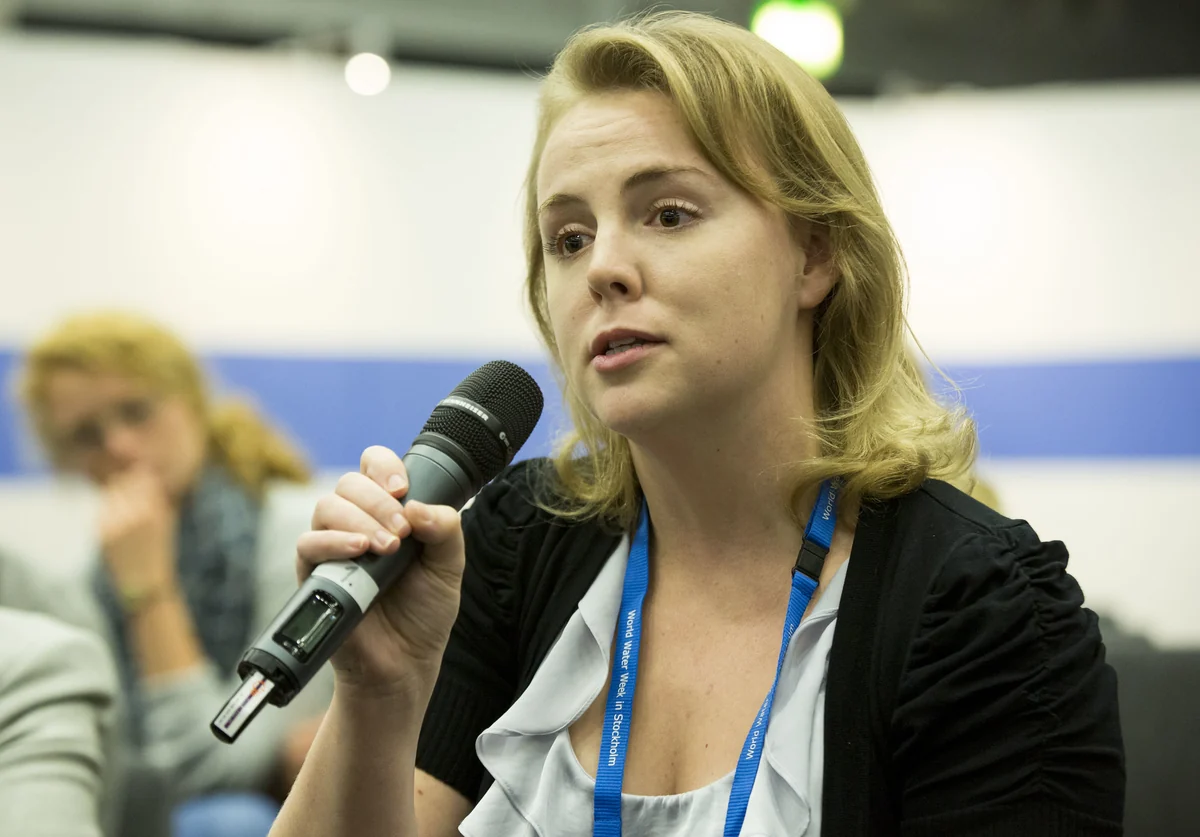
Global citizenship education (GCED) is learning that helps people see how what happens in the world and what happens in their own town are connected — and act accordingly, with respect for human rights, equality, peace and sustainability. UNESCO says it aims to “support learners of all ages to become ethical, empathetic and respectful human beings”. It is not just for schools: it also reaches adults and older people.
UNESCO’s definition
UNESCO explains that global citizenship education seeks to “support learners of all ages to become ethical, empathetic and respectful human beings” and to “cultivate tolerance, respect, and a shared sense of belonging to one global community”.
In its explainer “What you need to know about global citizenship education”, UNESCO describes several components: increasing knowledge about the world; nurturing cognitive, social and other skills to put that knowledge into practice; instilling values that reflect a global vision of the world; and adopting behaviours that act on those values.
SDG target 4.7
Global citizenship is named explicitly in target 4.7 of the UN 2030 Agenda: “By 2030, ensure that all learners acquire the knowledge and skills needed to promote sustainable development”, including through education for sustainable development, human rights, gender equality, a culture of peace and non-violence, global citizenship and appreciation of cultural diversity (summary of the official target). Indicator 4.7.1 measures how far global citizenship education and education for sustainable development are mainstreamed in national education policies, curricula, teacher education and student assessment.
What Spanish law says
Spain’s Law 1/2023 of 20 February on Cooperation for Sustainable Development and Global Solidarity devotes article 11 to “education for sustainable development and global citizenship”. According to that article:
- it covers education, awareness-raising and communication, in formal education (from pre-school to university), non-formal and informal settings;
- its aim is to promote information, critical knowledge and understanding of the global dimensions of sustainable development and solidarity;
- it promotes transformative commitment, social participation and volunteering through civil-society organisations and development NGOs;
- research for sustainable development and global citizenship is covered in section 3 of the same article.
What Extremadura’s law says
Extremadura, a region in western Spain bordering Portugal, has its own Law 3/2023 of 29 March on International Cooperation and Solidarity. Its article 6.c defines “education for global citizenship and social transformation” as the educational process aimed at building a citizenry in Extremadura that is aware of belonging to both a local and a global community and actively committed to sustainable human development, feminisms, environmental sustainability and human rights across the planet (our translation).
The law’s preamble says it aims to place this education “at the highest level of cooperation policy” (our translation), as one of the pillars of the regional system. Article 22 links international development volunteering to global citizenship education, always through a written agreement with an organisation.
There is public funding for such projects. Two recent examples, with sources:
- the Provincial Council of Badajoz allocated €112,987.90 to 19 organisations in 2026, with special attention to towns of fewer than 20,000 inhabitants (Diputación de Badajoz, 16/09/2026; our news story, in Spanish);
- the regional cooperation agency AEXCID awarded €179,903.84 to four projects from its 2025 call (Official Gazette of Extremadura no. 123, 29/06/2026; summary in Spanish).
What it looks like in practice
Public calls usually group activities into four types. The Provincial Council of Badajoz’s 2026 call, for example, funds awareness-raising, training, information and research on international cooperation, human rights, equality, social justice and a culture of peace.
| Type | Examples |
|---|---|
| Awareness-raising | Talks in towns and villages, exhibitions, events on international days. |
| Training | Workshops for teachers, courses for volunteers, sessions in schools or older people’s centres. |
| Information and communication | Educational materials, campaigns and content in local media. |
| Research | Studies and evaluations on sustainable development and cooperation policy (art. 11.3 of Law 1/2023). |
The examples in the table are indicative; each call sets out which activities and costs it accepts.
Is it for older people too?
Yes. UNESCO speaks of “learners of all ages”, and Spain’s Law 1/2023 covers non-formal and informal education as well as schooling. Older people can take part as an audience and as protagonists, bringing a lifetime of personal and professional experience. In Extremadura, the Asociación Cooperantes Seniors de Extremadura, an association of older people, is one of the 19 organisations funded by the Provincial Council of Badajoz in 2026 for this kind of project. More on our page about global citizenship education in Extremadura.
How to get started
- Choose a topic close to home that links the local and the global: water, migration, equality, consumption, peace.
- Find allies: development NGOs, adult-education centres, schools, town councils. Extremadura’s Law 3/2023 recognises many of them as cooperation actors (art. 16).
- Check public calls from regional and provincial governments, and read their rules carefully.
- If you want to volunteer, read our guide to volunteering in Spain after retirement first.
This guide summarises Spanish legislation published in the BOE (Spain’s Official State Gazette) for information only. It is not legal advice: for a specific situation, check the official text in force or consult a professional.
Main sources: UNESCO, Global citizenship and peace education; United Nations, SDG 4; Law 1/2023 (BOE, in Spanish); Extremadura Law 3/2023 (BOE, in Spanish); Diputación de Badajoz; DOE 29/06/2026. Consulted 11/10/2026.